
Do you work on your feet all day and find your feet in pain? Don't go to work in pain each day. Your foot pain can be treated, and we can help.
Do you work on your feet all day and find your feet in pain? Don't go to work in pain each day. Your foot pain can be treated, and we can help.
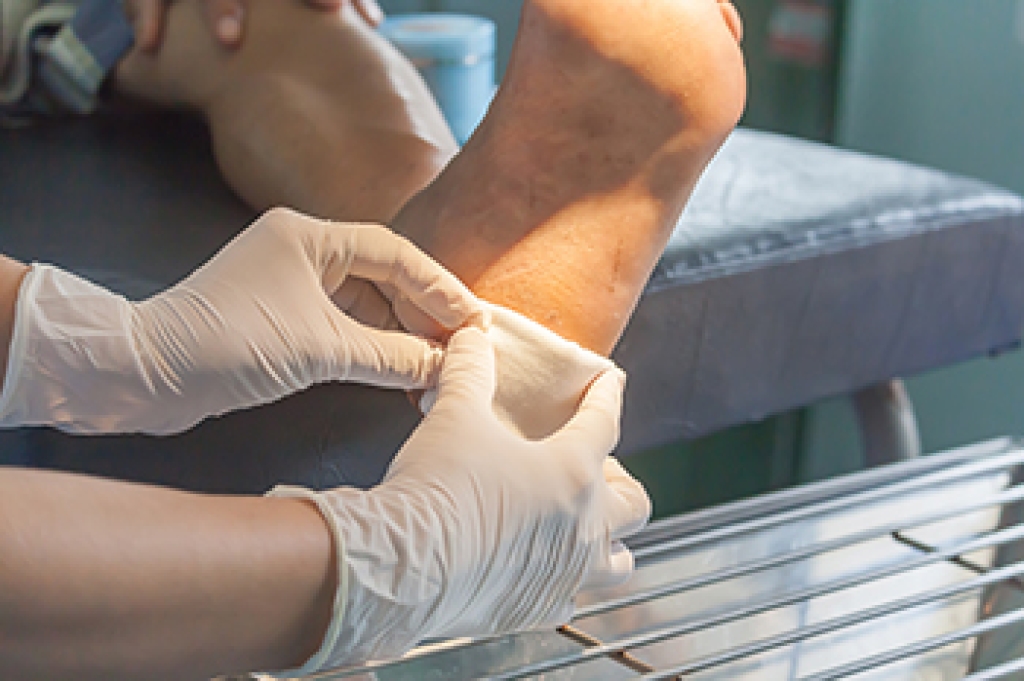
Foot wounds require attention because a small wound can become a health concern. Pressure injuries on the feet develop when pressure limits the flow of oxygen and nutrients to the skin and deeper tissues. They are more likely in patients who spend long periods in a bed or chair, have limited movement, or are weakened by illness. Bony areas of the foot are vulnerable because tissue can become trapped between bone and a firm surface. Diabetes, poor circulation, and reduced feeling can raise the risk and make a wound harder to notice.
Several forces can contribute to skin damage. Shearing happens when the skin stays in place while deeper tissue shifts, as when a patient slides down in a bed or chair. This movement squeezes blood vessels and becomes more damaging when combined with pressure. Friction from rubbing can weaken the skin, although friction alone does not cause a pressure injury. Excess moisture can also make skin fragile and more likely to break down. Poor nutrition slows the repair of damaged cells. Weight loss can reduce the natural padding that protects the bones of the feet.
A podiatrist can examine the wound, measure its depth, and check skin for infection. The evaluation also includes testing circulation and sensation in the feet. Treatment can include cleaning the wound, removing damaged tissue, and applying a protective dressing. A podiatrist can reduce pressure on the affected area with padding, special shoes, or a custom device. Follow-up visits allow the podiatrist to track healing and adjust the treatment plan. Patients should seek prompt care for spreading redness, increasing swelling, or drainage. Fever, darkened tissue, or a bad odor can signal a serious problem. Early podiatric care can lower the risk of infection, deeper tissue damage, and limb loss. If you have symptoms of pressure injuries on the feet, it is suggested that you schedule an appointment with a podiatrist for a diagnosis and appropriate treatment.
Wound care is an important part in dealing with diabetes. If you have diabetes and a foot wound or would like more information about wound care for diabetics, consult with one of our podiatrists from Spartan Podiatry. Our doctors will assess your condition and provide you with quality foot and ankle treatment.
What Is Wound Care?
Wound care is the practice of taking proper care of a wound. This can range from the smallest to the largest of wounds. While everyone can benefit from proper wound care, it is much more important for diabetics. Diabetics often suffer from poor blood circulation which causes wounds to heal much slower than they would in a non-diabetic.
What Is the Importance of Wound Care?
While it may not seem apparent with small ulcers on the foot, for diabetics, any size ulcer can become infected. Diabetics often also suffer from neuropathy, or nerve loss. This means they might not even feel when they have an ulcer on their foot. If the wound becomes severely infected, amputation may be necessary. Therefore, it is of the upmost importance to properly care for any and all foot wounds.
How to Care for Wounds
The best way to care for foot wounds is to prevent them. For diabetics, this means daily inspections of the feet for any signs of abnormalities or ulcers. It is also recommended to see a podiatrist several times a year for a foot inspection. If you do have an ulcer, run the wound under water to clear dirt from the wound; then apply antibiotic ointment to the wound and cover with a bandage. Bandages should be changed daily and keeping pressure off the wound is smart. It is advised to see a podiatrist, who can keep an eye on it.
If you have any questions please contact our offices located in Battle Creek and Marshall, MI . We offer the newest diagnostic and treatment technologies for all your foot and ankle needs.
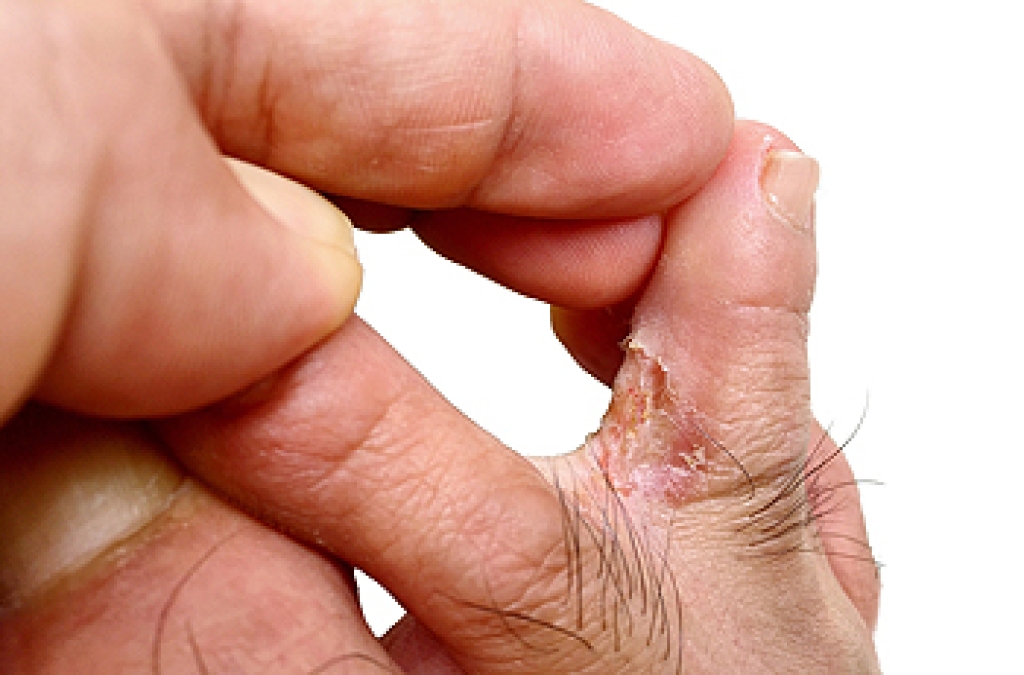
Athlete’s foot is a fungal infection that affects the skin of the feet. It often begins between the toes, where moisture can become trapped. The infection may cause itching between the toes, burning, or irritation. Red patches of skin may also develop as the infection progresses. Some people notice cracked or peeling skin that can become sore. Symptoms may affect one or both feet, and become more noticeable after wearing shoes.
Athlete’s foot is caused by fungi called dermatophytes. They thrive in warm, damp environments and can spread through contact with infected skin or contaminated surfaces. Locker rooms and shared shower and pool areas can provide conditions where the fungus spreads easily. Wearing damp socks or shoes for extended periods can also encourage fungal growth. The infection can spread when feet remain moist after bathing.
Certain factors can increase the risk of developing athlete’s foot. People who use communal showers or locker rooms may have greater exposure to the fungus. Wearing tight or poorly ventilated footwear can trap heat and moisture around the feet. Heavy sweating can create another favorable environment for fungal growth. A weakened immune system may also increase susceptibility. Scratches or small breaks in the skin can give fungi an easier way to enter.
A podiatrist can examine the skin and determine whether athlete’s foot is causing your symptoms. If the diagnosis is uncertain, a small skin sample may be examined for fungus. Treatment may include an antifungal medication and guidance on keeping the feet clean and dry. Your podiatrist may also recommend changing socks regularly and allowing shoes to dry between uses. Additionally, avoiding shared towels can help reduce spreading. If you have symptoms of athlete’s foot, it is suggested that you consult a podiatrist who can accurately diagnose and treat this condition, which may include prescribed medication.
Athlete’s foot is an inconvenient condition that can be easily reduced with the proper treatment. If you have any concerns about your feet and ankles, contact one of our podiatrists from Spartan Podiatry. Our doctors will treat your foot and ankle needs.
Athlete’s Foot: The Sole Story
Athlete's foot, also known as tinea pedis, can be an extremely contagious foot infection. It is commonly contracted in public changing areas and bathrooms, dormitory style living quarters, around locker rooms and public swimming pools, or anywhere your feet often come into contact with other people.
Solutions to Combat Athlete’s Foot
Athlete’s foot can cause many irritating symptoms such as dry and flaking skin, itching, and redness. Some more severe symptoms can include bleeding and cracked skin, intense itching and burning, and even pain when walking. In the worst cases, Athlete’s foot can cause blistering as well. Speak to your podiatrist for a better understanding of the different causes of Athlete’s foot, as well as help in determining which treatment options are best for you.
If you have any questions please feel free to contact our offices located in Battle Creek and Marshall, MI . We offer the newest diagnostic and treatment technologies for all your foot and ankle needs.

Sesamoiditis is irritation or inflammation of the two sesamoid bones beneath the big toe joint. These tiny bones help absorb pressure and support movement. Sesamoiditis causes pain under the ball of the foot, especially beneath the big toe. Discomfort may develop gradually and worsen during activity. Tenderness, swelling, and pain when bending the big toe can also occur. Pain may increase with weight-bearing and repeated push-off. This condition affects the underside of the forefoot.
Several factors can increase the risk of developing sesamoiditis. Activities that place repeated pressure on the forefoot can contribute, particularly running, dancing, or jumping. Wearing high-heeled or poorly cushioned shoes may increase stress around the sesamoids. Foot structure can affect pressure distribution and place extra stress on the sesamoids. A sudden increase in activity may trigger symptoms. Repetitive stress, direct injury, and prolonged standing are common causes. People who participate in sports requiring push-off may have a greater risk.
A podiatrist begins treatment by reviewing symptoms, activities, and history. A foot examination helps identify tenderness and pain with movement. X-rays may be recommended to check the bones and rule out a fracture. Treatment options include activity changes, wearing supportive footwear, or temporary immobilization when appropriate. Medication may help control pain, when appropriate. Activity is gradually adjusted as healing progresses, helping prevent a flare-up.
Sesamoiditis can improve when repeated stress is addressed early. Wearing comfortable shoes with adequate cushioning and avoiding painful activities can help protect the area during recovery. Do not ignore persistent pain beneath the big toe, especially when walking becomes difficult. A podiatrist can determine whether sesamoiditis is responsible for your symptoms and create a treatment plan suited to your needs. If you have symptoms of sesamoiditis, it is suggested that you consult a podiatrist for an accurate diagnosis and appropriate treatment.
Sesamoiditis is an unpleasant foot condition characterized by pain in the balls of the feet. If you think you’re struggling with sesamoiditis, contact one of our podiatrists of Spartan Podiatry. Our doctors will treat your condition thoroughly and effectively.
Sesamoiditis
Sesamoiditis is a condition of the foot that affects the ball of the foot. It is more common in younger people than it is in older people. It can also occur with people who have begun a new exercise program, since their bodies are adjusting to the new physical regimen. Pain may also be caused by the inflammation of tendons surrounding the bones. It is important to seek treatment in its early stages because if you ignore the pain, this condition can lead to more serious problems such as severe irritation and bone fractures.
Causes of Sesamoiditis
Treatment for sesamoiditis is non-invasive and simple. Doctors may recommend a strict rest period where the patient forgoes most physical activity. This will help give the patient time to heal their feet through limited activity. For serious cases, it is best to speak with your doctor to determine a treatment option that will help your specific needs.
If you have any questions, please feel free to contact our offices located in Battle Creek and Marshall, MI . We offer the newest diagnostic and treatment technologies for all your foot care needs.

Plantar fasciitis causes pain where a strong band of tissue runs along the bottom of the foot. This band, called the plantar fascia, connects the heel bone to the toes. Repeated strain can irritate it. Pain is sharpest with the first steps after resting, and can return after long periods of standing. Running, a sudden increase in activity, and shoes that lack proper support can place added stress on the area.
Heel cups are small inserts that sit beneath and around the heel inside a shoe. They are usually made of gel, foam, or firm plastic. By cradling the heel, a cup can provide cushioning and help spread pressure across a wider area. It can also raise the heel slightly, which may reduce tension on the plantar fascia. However, heel cups do not correct every cause of plantar fasciitis. The wrong size can slide, crowd the shoe, or change how the foot rests. A heel cup should fit securely in a supportive shoe without forcing the toes forward. Patients should also understand that a softer product is not always the best choice. The right amount of firmness depends on the foot, symptoms, and daily activities.
A podiatrist can determine whether a heel cup is appropriate by examining the heel and checking how the foot moves. The evaluation includes a review of when the pain began and which activities make it worse. The podiatrist can also rule out problems like a stress fracture, nerve irritation, or damage to the heel's natural padding. Treatment can include professionally selected heel cups, supportive shoe recommendations, or custom orthotics. A podiatrist can adjust these devices so they support the foot without creating pressure elsewhere. Follow-up visits allow the podiatrist to check progress and change the treatment plan when pain continues. If you have heel pain, it is suggested that you schedule an appointment with a podiatrist for a diagnosis and appropriate treatment.
Plantar fasciitis can be very painful and inconvenient. If you are experiencing heel pain or symptoms of plantar fasciitis, contact one of our podiatrists from Spartan Podiatry. Our doctors can provide the care you need to keep you pain-free and on your feet.
What Is Plantar Fasciitis?
Plantar fasciitis is the inflammation of the thick band of tissue that runs along the bottom of your foot, known as the plantar fascia, and causes mild to severe heel pain.
What Causes Plantar Fasciitis?
How Can It Be Treated?
While very treatable, plantar fasciitis is definitely not something that should be ignored. Especially in severe cases, speaking to your doctor right away is highly recommended to avoid complications and severe heel pain. Your podiatrist can work with you to provide the appropriate treatment options tailored to your condition.
If you have any questions, please feel free to contact our offices located in Battle Creek and Marshall, MI . We offer the newest diagnostic and treatment technologies for all your foot care needs.
Connect With Us
